

Ensuring Secure Handling and Transportation of Hazardous Materials
Introduction
Petroleum transport is a high-risk industry that requires strict adherence to safety protocols and regulatory compliance to prevent accidents, environmental hazards, and financial losses. Companies operating in this sector must follow international and regional safety standards to ensure the secure handling and transportation of hazardous materials such as jet fuel, diesel, LPG, and lubricants.
In this article, we explore the key safety measures, regulatory requirements, and best practices that logistics providers must implement to guarantee efficient and risk-free fuel transportation.
1. Understanding the Risks in Petroleum Transport
🚨 Why Safety Matters
Petroleum products are highly flammable and hazardous, meaning even minor errors in handling or transportation can lead to:
- Explosions or fires 🔥
- Environmental contamination 🌍
- Health hazards due to toxic fumes ☠
- Severe financial and legal consequences ⚖
💡 Solution: Strict adherence to safety guidelines minimizes these risks and ensures compliance with industry regulations.
2. Regulatory Compliance & Industry Standards
🛑 Key Regulations in East Africa & Beyond
Governments and international organizations enforce strict safety and compliance laws for petroleum transport. Some of the most critical regulations include:
✔ ADR (European Agreement concerning the International Carriage of Dangerous Goods by Road) – Adopted by many African countries.
✔ OSHA (Occupational Safety and Health Administration) – Enforces safety measures for hazardous materials.
✔ National Fuel Transport Laws – Vary across countries but cover licensing, vehicle standards, and emergency response protocols.
✅ What to Check in a Transport Company:
- Proper licensing and certification for petroleum transportation.
- Compliance with vehicle maintenance and driver training standards.
- Adherence to fuel handling, storage, and spill response procedures.
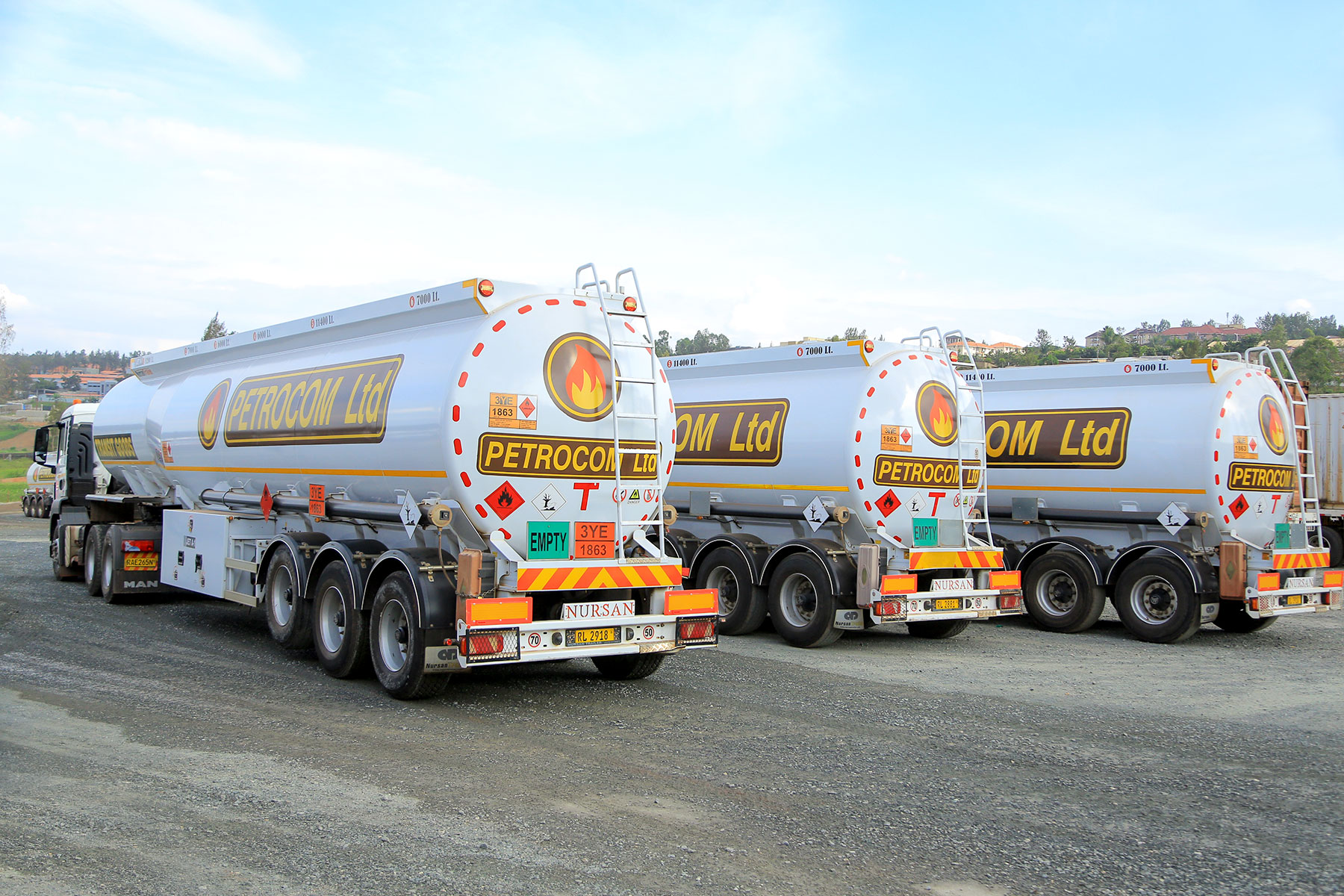
🔍 Example: Petrocom Ltd follows all national and international fuel transport regulations, ensuring full compliance across East Africa.
3. Fleet Safety & Maintenance Protocols
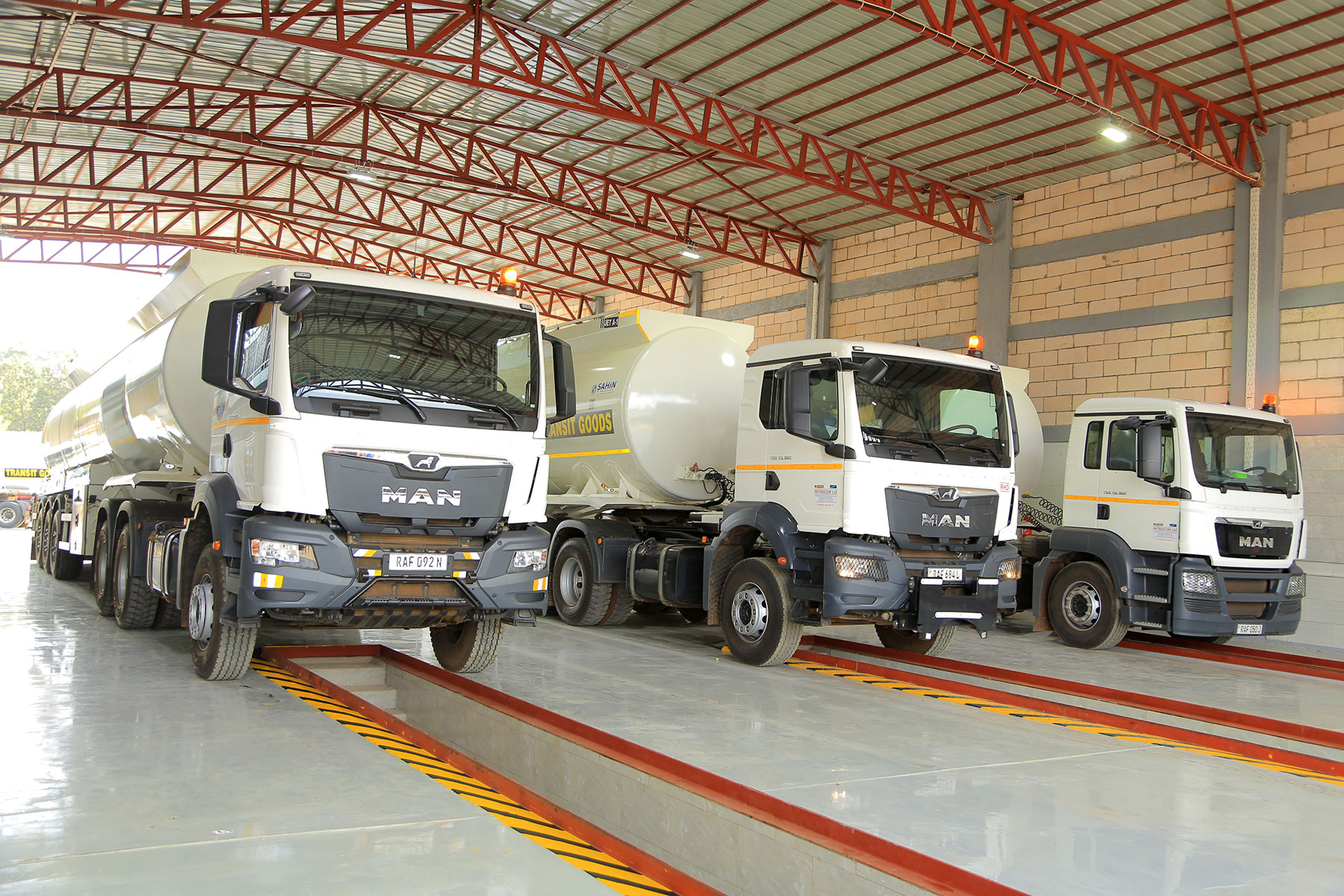
🚛 Well-Maintained Trucks Reduce Risks
A reliable petroleum transport company must have a modern, well-maintained fleet that meets industry safety standards.
✔ Regular vehicle inspections to check brakes, tires, and fuel tank integrity.
✔ Emergency shut-off systems to prevent leaks and spills.
✔ Pressure and temperature monitoring for fuel safety.
💡 Best Practice: Invest in GPS tracking and telematics systems to monitor vehicle conditions and ensure compliance in real time.
🔍 Example: Petrocom Ltd operates a 162-truck fleet equipped with real-time tracking and safety monitoring systems.
4. Driver Training & Hazardous Material Handling
👷 Highly Trained Drivers = Safer Transport
Transporting hazardous materials requires specialized skills. Drivers must undergo intensive training in:
✔ Safe fuel loading and unloading procedures.
✔ Emergency response & accident management.
✔ Defensive driving techniques for hazardous materials.
✔ Regulatory compliance & documentation handling.
💡 Best Practice: Conduct regular refresher courses and simulated emergency drills to prepare drivers for real-world scenarios.
🔍 Example: Petrocom Ltd ensures all drivers are certified and receive continuous safety training.
5. Emergency Preparedness & Spill Management
🚨 Quick Response Saves Lives & the Environment
In the event of an accident, swift action is critical to prevent disasters. Companies must have:
✔ Spill containment kits on all fuel trucks.
✔ Well-defined emergency response plans for accidents and fuel leaks.
✔ Collaboration with fire departments and hazardous material response teams.
💡 Best Practice: Conduct regular safety drills and equip drivers with emergency communication devices.
🔍 Example: Petrocom Ltd has a dedicated emergency response team trained to handle fuel spills and transport incidents effectively.
6. Environmental & Sustainability Practices
🌱 Balancing Safety with Eco-Friendliness
As the world moves toward sustainable energy solutions, petroleum transport companies must:
✔ Use fuel-efficient trucks to reduce carbon emissions.
✔ Ensure safe fuel storage to prevent soil and water contamination.
✔ Comply with government regulations on hazardous waste disposal.
💡 Future Outlook: The industry is shifting towards cleaner fuels (LNG, biofuels) and advanced safety tech to reduce environmental impact.
🔍 Example: Petrocom Ltd integrates eco-friendly logistics practices and is committed to reducing its environmental footprint.
Conclusion: Safety is Non-Negotiable in Petroleum Transport
Choosing a transport partner with strict safety and compliance measures is crucial for businesses dealing with petroleum and hazardous materials.
🚛 Why Choose Petrocom Ltd for Petroleum Transportation?
✅ 100% Compliance with Safety Regulations
✅ Modern, Well-Maintained Fleet with Safety Features
✅ Highly Trained & Certified Drivers
✅ Emergency Response Protocols & Environmental Protection Measures
✅ Reliable & Secure Fuel Transportation Across East Africa
📩 Need a trusted petroleum transport partner? Contact Us Today!
0 Comments