

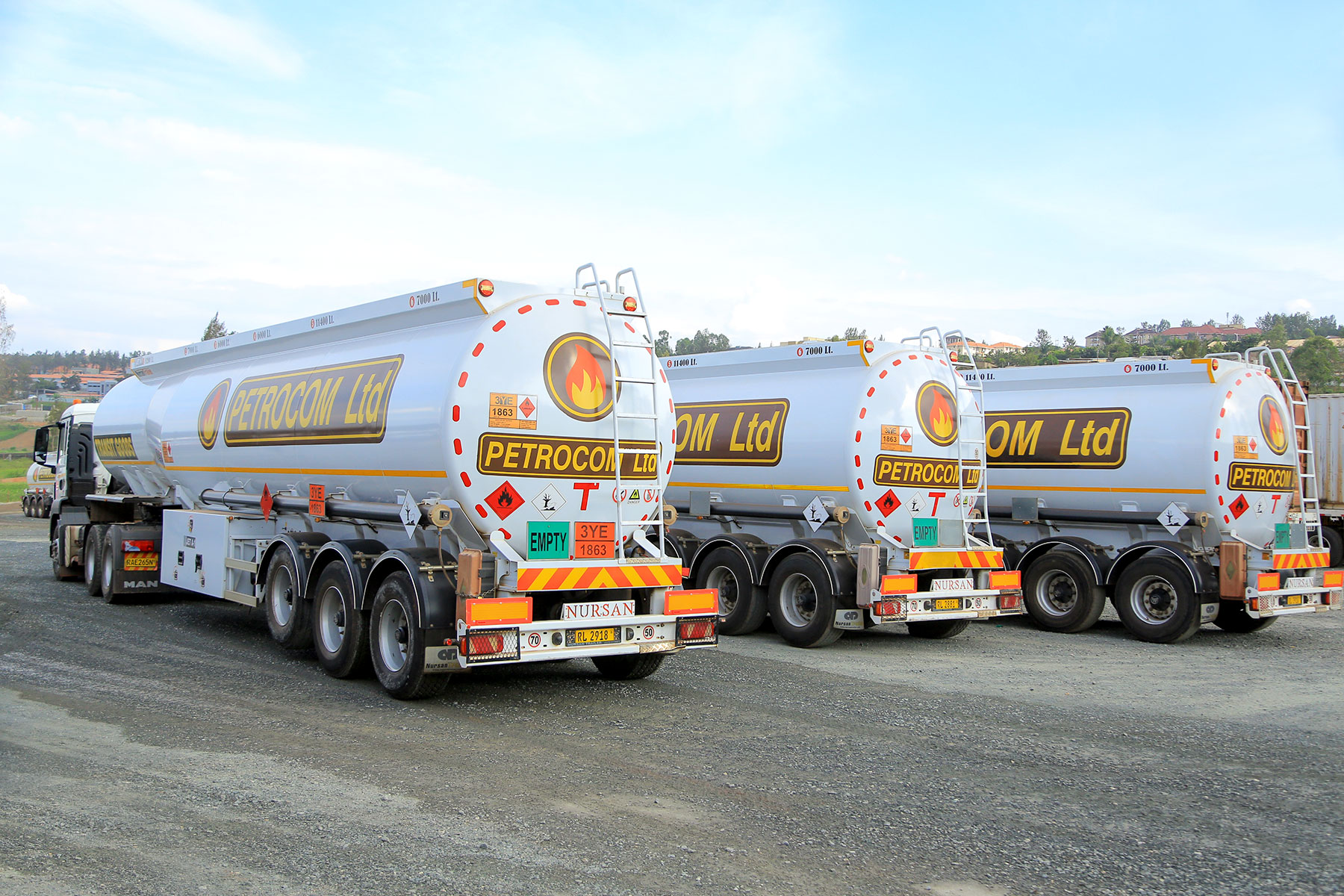
How Technological Advancements and Regulatory Changes Are Shaping the Industry
Introduction
The petroleum transportation industry in East Africa is at a pivotal moment, driven by technological innovations, stricter regulations, and the evolving energy landscape. As demand for fuel continues to grow across the region, logistics companies must adapt to new challenges and opportunities to ensure efficiency, safety, and sustainability.
In this article, we explore the key trends shaping the future of petroleum transportation in East Africa, including smart fleet management, compliance with environmental standards, and the impact of regional trade policies.
1. The Rise of Smart Fleet Management
🚛 Real-Time GPS Tracking & Telematics
Modern petroleum transport companies are investing in GPS-enabled fleet management systems, allowing for:
✅ Live tracking of fuel tankers for enhanced security.
✅ Route optimization to reduce delivery times and costs.
✅ Preventive maintenance alerts to minimize breakdowns and delays.
📊 Data-Driven Decision Making
AI-powered analytics help companies predict fuel consumption, monitor driver behavior, and optimize fleet operations, leading to cost savings and improved efficiency.
2. Strengthening Safety & Regulatory Compliance
🛑 Stricter Transport Regulations
Governments in East Africa, particularly in Kenya, Rwanda, Uganda, and Tanzania, are tightening safety regulations on petroleum transport.
- Mandatory vehicle inspections to ensure compliance with fuel transport standards.
- Driver certification programs focusing on hazardous materials handling.
- Increased monitoring of fuel theft & leakage prevention.
🌱 Environmental Compliance & Sustainability
As global pressure for greener energy solutions increases, East Africa is:
- Phasing out older fuel trucks in favor of low-emission, fuel-efficient models.
- Encouraging cleaner fuel options, such as LPG and alternative energy sources.
- Implementing spill response policies to mitigate environmental risks.
3. The Impact of Regional Trade Agreements
🌍 The African Continental Free Trade Area (AfCFTA)
The AfCFTA is expected to:
🔹 Reduce trade barriers between East African countries.
🔹 Improve the efficiency of cross-border fuel transport.
🔹 Increase competition, leading to better services and pricing for businesses.
🚛 Infrastructure Developments & Border Efficiency
New road networks, pipeline expansions, and modernized border points will significantly reduce fuel transportation delays and enhance trade within the East African Community (EAC).
4. The Shift Toward Alternative Energy & Future Prospects
⚡ Exploring Cleaner Energy Solutions
As the world transitions to renewable energy, East Africa is investing in:
🔹 LNG (Liquefied Natural Gas) transportation as an alternative to diesel.
🔹 Hybrid and electric trucks to reduce fuel costs in the long term.
🔹 Advanced fuel storage solutions for improved safety and efficiency.
🚀 Future Innovations
The next decade will see:
✅ The integration of blockchain for fuel supply chain transparency.
✅ The use of drones & IoT for monitoring fuel tankers.
✅ The adoption of automated refueling systems to minimize human error.
Conclusion: Adapting for a Sustainable Future
The future of petroleum transportation in East Africa is dynamic and full of opportunities. Companies that embrace technology, prioritize safety, and comply with evolving regulations will stay ahead in this fast-changing industry.
At Petrocom Ltd, we are committed to leveraging innovation to offer safe, reliable, and cost-effective fuel transportation solutions across East Africa.
🚛 Looking for a trusted petroleum transport partner? Contact Us Today!
0 Comments